
Category: Uncategorized

Cervicogenic Headaches and the Role of Spine Instability
Cervicogenic Headaches and the Role of Spine Instability

Understanding Cervicogenic Headaches and the Role of Spine Instability

Introduction:

Headaches suck. They can and will stop your day if you don’t treat the cause. If you are having repetitive headaches, especially if you notice any pain at the back of the head and top of neck, maybe even with some tenderness of the muscles at the back of head, you are likely to have a cervicogenic headache. These headaches can often be diagnosed as migraine, since they can have overlapping features.

Understanding Cervicogenic Headaches:

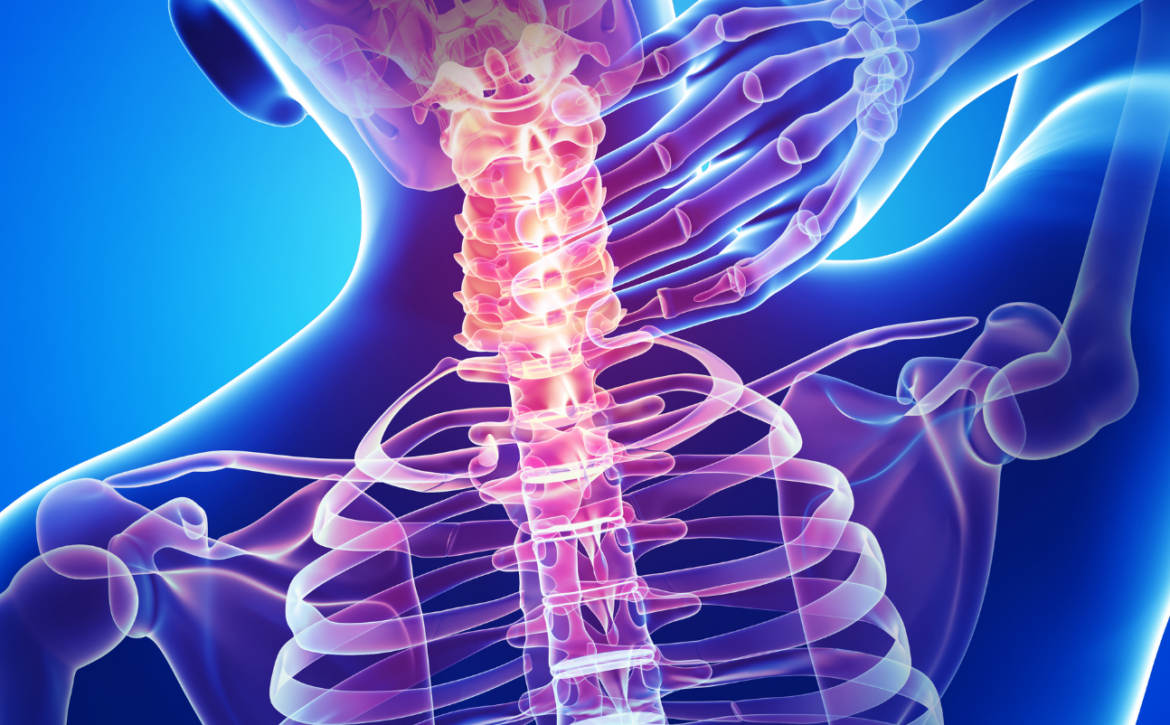
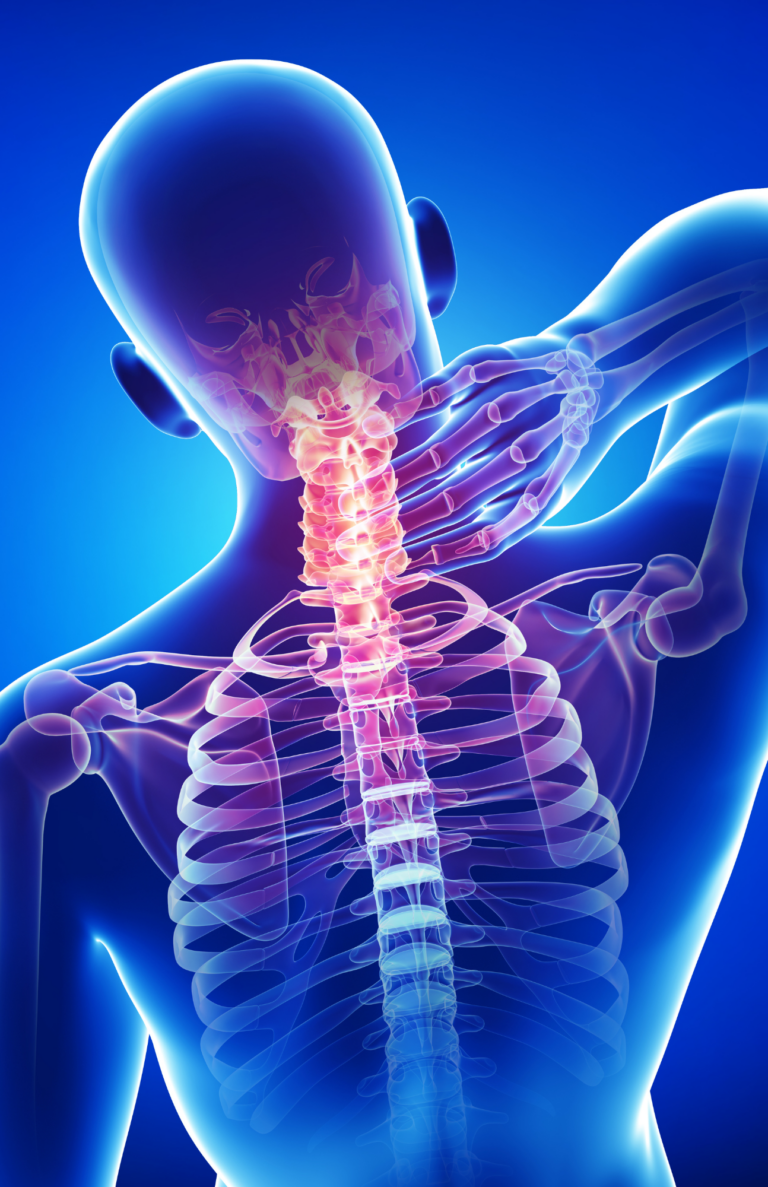
Cervicogenic headaches are secondary headaches, meaning they are caused by an underlying condition or issue. Unlike migraines or tension headaches, cervicogenic headaches stem from structural problems in the neck or cervical spine. The pain typically originates from the upper cervical vertebrae and radiates to the back of the head, temples, forehead, and even the eyes. There can be cases of eye pain and redness, and even tooth or jaw pain if the trigeminal nerve distribution becomes involved.

Spine Instability and Cervicogenic Headaches:

Spinal instability means that loosened ligaments of the spine allow abnormal motion. It does not take injury or accidents to loosen ligaments. The term “creep” doesn’t just refer to that weirdo down the street, it is also the name of the process of slow ligament loosening. Every day with our repetitive motions we gradually strain the ligamentous tissues, and over years abnormal motion occurs. Of course this sort of thing can be caused or initiated by accidents etc., with things like whiplash or concussion being recognized initiators of headaches.

When the cervical spinal ligaments are loosened and abnormal motion occurs, multiple things happen. First is tightness of the muscles which overly the spine – this is a protective measure, where the muscles are attempting to stabilize the region. A very common story I hear from patients is how they have uncomfortable muscle tightness, so they get a massage. This makes them feel good for a day or so, and then they have new issues, sometime headaches, sometime numbness in the arm, which often start a few days after the massage. The reason this happens is that while the muscular tightness is uncomfortable, it is protective. When the massage loosens the muscles and removes the protection, the spinal instability can lead to compression or stretch of nerves, causing worsening or new symptoms.

Signs of Spine Instability:

  1. Neck Pain: Individuals with cervicogenic headaches often experience chronic neck pain that worsens with certain movements or positions.
  2. Crepitus: Cracking, rice crispy like sounds with movement of the neck, often that only the person themselves can hear.
  3. Reduced Range of Motion: Spine instability can restrict neck movement, leading to stiffness and difficulty turning the head.
  4. Muscle Tension: The surrounding muscles may become tense and tender, contributing to headache symptoms.
  5. Headache Triggers: Certain activities, such as prolonged sitting, poor posture, or neck movements, can trigger or exacerbate cervicogenic headaches.

Treatment Approaches:

  1. Physical Therapy: Physical therapy plays a vital role in stabilizing the cervical spine. Therapists can provide exercises to strengthen the neck muscles, improve posture, and enhance stability, helping to alleviate cervicogenic headaches.
  2. Manual Therapy: Techniques such as spinal manipulation, mobilization, and soft tissue manipulation can help restore proper alignment and relieve pressure on the nerves, reducing headache symptoms.
  3. Postural Correction: Correcting poor posture habits and ergonomics can help alleviate spine instability and reduce cervicogenic headaches. Maintaining a neutral spine position while sitting, standing, and engaging in activities can significantly impact headache frequency and intensity.
  4. Supportive Devices: In some cases, a supportive cervical collar or brace may be prescribed to provide stability and limit excessive motion in the cervical spine.
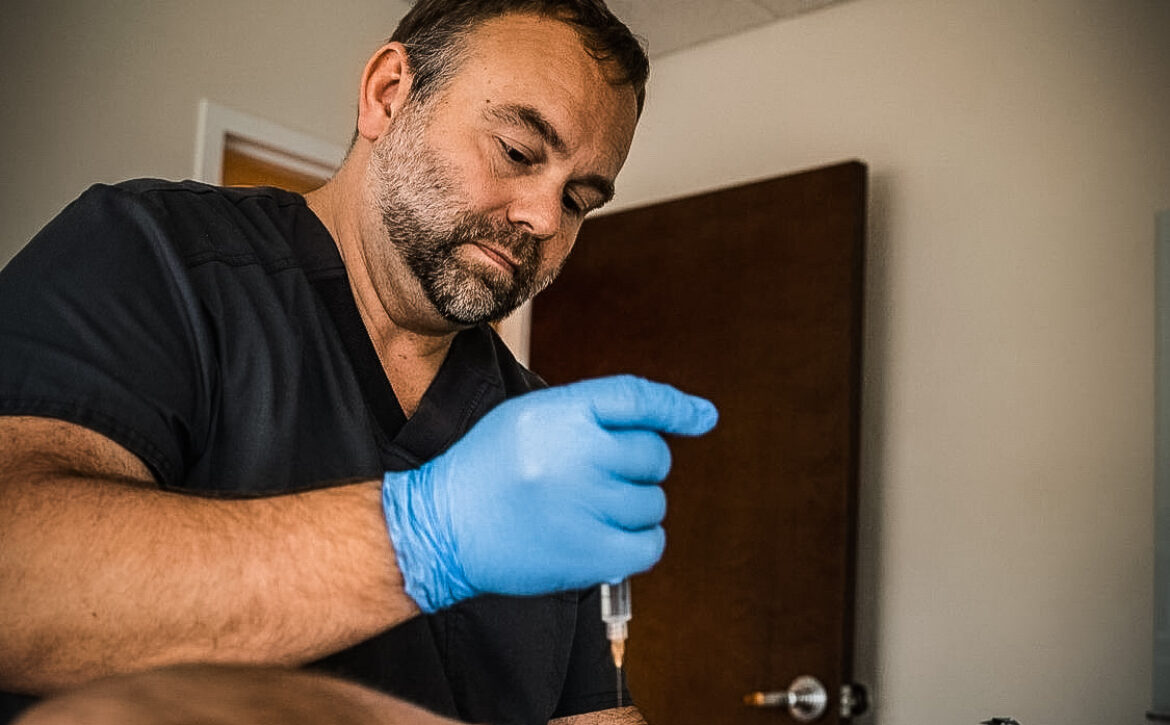
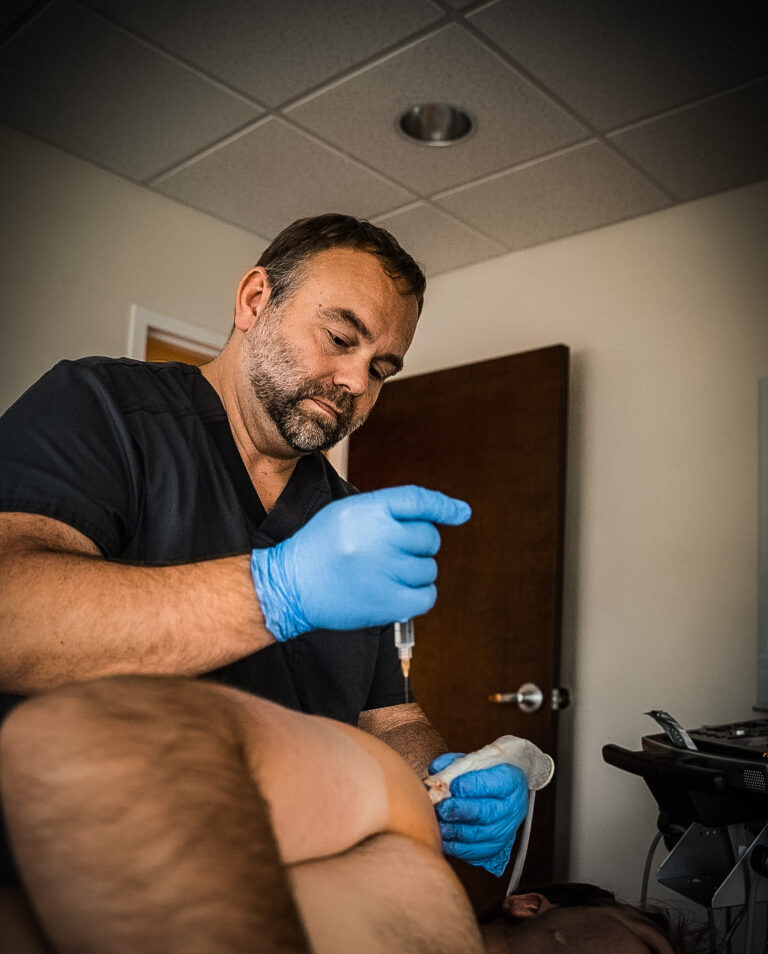
  5. Prolotherapy: Prolotherapy, a regenerative injection therapy, can be quite useful for those with spine instability. By injecting a solution into the affected ligaments and tendons, prolotherapy aims to promote tissue healing, strengthen the supporting structures, and reduce headache symptoms.

Prolotherapy for Addressing Spinal Instability and Cervicogenic Headaches

Prolotherapy, also known as regenerative injection therapy, has been a successful treatment option for cervicogenic headaches. Prolotherapy promotes tissue healing, reduces chronic inflammation, and strengthens the supporting structures in the cervical spine. Here’s an overview of the use of prolotherapy for cervicogenic headaches:

  1. Mechanism of Action: Prolotherapy involves injecting a solution, typically containing dextrose (a type of sugar), into the affected ligaments, tendons, or joint spaces. The solution triggers a localized inflammatory response, stimulating the body’s natural healing mechanisms. The inflammation leads to increased blood flow, collagen production, and the recruitment of cells involved in tissue repair. The goal of prolotherapy is to strengthen and stabilize the damaged or weakened structures in the cervical spine, thereby reducing cervicogenic headache symptoms. Substance such as platelet rich plasma (PRP) may be used for prolotherapy treatments.
  2. Potential Benefits:
  • Tissue Healing: Prolotherapy aims to promote tissue healing by stimulating the production of new collagen fibers, which can strengthen ligaments and tendons in the cervical spine. This may help address the underlying causes of cervicogenic headaches.
  • Pain Reduction: By strengthening the supporting structures of the cervical spine, prolotherapy may help reduce pain associated with cervicogenic headaches. It targets the source of pain and inflammation, potentially providing long-term relief.
  1. Clinical Evidence: While research specifically focusing on prolotherapy for cervicogenic headaches is limited, studies have explored its use in related conditions, such as chronic neck pain and whiplash-associated disorders. These studies have shown some promising results:
  • A pilot study published in the Journal of Alternative and Complementary Medicine (2005) reported that prolotherapy injections significantly reduced pain and disability in patients with chronic neck pain.
  • Another study published in The Clinical Journal of Pain (2005) found that prolotherapy injections resulted in significant pain reduction and improved function in patients with chronic whiplash-associated disorders.

In addition to these studies that provide preliminary evidence of the benefits of prolotherapy for neck-related conditions, there are even more first-person testimonial evidence from patients who have found relief through prolotherapy. 

If you are considering prolotherapy for cervicogenic headaches, it is crucial to consult with a qualified healthcare professional who has experience in regenerative medicine and prolotherapy. They can evaluate your condition, provide an accurate diagnosis, and determine if prolotherapy is a suitable treatment option for you. Individualized treatment plans are essential to address the specific underlying causes of cervicogenic headaches and to ensure the safest and most effective approach.

Conclusion:

Cervicogenic headaches caused by spine instability can be debilitating and disrupt daily life. Understanding the relationship between spine instability and headache symptoms is crucial for effective treatment. By addressing the underlying spine instability through physical therapy, manual therapy, postural correction, and potentially prolotherapy, individuals suffering from cervicogenic headaches can find relief and improve their overall quality of life.

Find out if you’re a good candidate for prolotherapy for spinal instability by texting or calling us at 844.GO.PROLO / 844.467.7656 or send us an email at contactus@wozwellness.com

Here are some sources that you can explore for more information on cervicogenic headaches and spine instability:

  1. Sjaastad O, Fredriksen TA, Pfaffenrath V. Cervicogenic headache: diagnostic criteria. The Cervicogenic Headache International Study Group. Headache. 1998;38(6):442-445. doi:10.1046/j.1526-4610.1998.3806442.x
  2. Biondi DM. Cervicogenic headache: a review of diagnostic and treatment strategies. J Am Osteopath Assoc. 2005;105(4 Suppl 2):16S-22S. Available at: https://jaoa.org/article.aspx?articleid=2093089
  3. Vincent MB. Cervicogenic headache: a comparison with migraine. Curr Pain Headache Rep. 2011;15(3):207-212. doi:10.1007/s11916-011-0180-7
  4. Peterson CK, Schmid C, Leemann S, et al. Outcomes from magnetic resonance imaging-confirmed symptomatic cervical disk herniation patients treated with high-velocity, low-amplitude spinal manipulative therapy: a prospective cohort study with 3-month follow-up. J Manipulative Physiol Ther. 2013;36(8):461-467. doi:10.1016/j.jmpt.2013.08.003
  5. Laimi K, Malmivaara A, Kalliomäki ML, et al. Effects of proprioceptive training on pain and function in chronic neck-shoulder pain patients: A randomized controlled trial. J Rehabil Med. 2019;51(9):671-679. doi:10.2340/16501977-2590
  6. Cusi M, Saunders J, Hungerford B, Wisbey-Roth T. The use of prolotherapy in the sacroiliac joint. Br J Sports Med. 2010;44(2):100-104. doi:10.1136/bjsm.2008.052712
  7. Dagenais S, Yelland MJ, Del Mar C, Schoene ML. Prolotherapy injections for chronic low-back pain. Cochrane Database Syst Rev. 2007;(2):CD004059. doi:10.1002/14651858.CD004059.pub3
  8. Cusi M, Saunders J, Hungerford B, Wisbey-Roth T. The use of prolotherapy in the sacroiliac joint. Br J Sports Med. 2010;44(2):100-104. doi:10.1136/bjsm.2008.052712
  9. Kim SR, Stitik TP, Foye PM, et al. Critical review of prolotherapy for osteoarthritis, low back pain, and other musculoskeletal conditions: a physiatric perspective. Am J Phys Med Rehabil. 2005;84(5):379-390. doi:10.1097/01.phm.0000163707.69480.aa
  10. Hauser RA, Hauser MA. Dextrose Prolotherapy for Unresolved Knee Pain. Practical Pain Management. 2007;7(8):56-69. Available at: https://www.practicalpainmanagement.com/pain/other/prolotherapy/dextrose-prolotherapy-unresolved-knee-pain
  11. Rabago D, Best TM, Beamsley M, Patterson J. A systematic review of prolotherapy for chronic musculoskeletal pain. Clin J Sport Med. 2005;15(5):376-380. doi:10.1097/01.jsm.0000171301.54183.aa
  12. Peterson CK, Schmid C, Leemann S, et al. Outcomes from magnetic resonance imaging-confirmed symptomatic cervical disk herniation patients treated with high-velocity, low-amplitude spinal manipulative therapy: a prospective cohort study with 3-month follow-up. J Manipulative Physiol Ther. 2013;36(8):461-467. doi:10.1016/j.jmpt.2013.08.003
  13. Kayfetz D, Stockard AR, Beatty S, et al. Dextrose prolotherapy for recalcitrant coccygodynia. Pain Physician. 2009;12(3):E59-E66. Available at: https://www.painphysicianjournal.com/current/pdf?article=MTMzOA%3D%3D&journal=44

dr. david woznica, MD, MS

Concierge In-Home Prolotherapy, PRP & Stem Cell Treatments

prolotherapy, PRP & stem cell injection treatments

In-Home Prolotherapy, PRP & Stem Cell Treatments Provide A Personalized Approach to Wellness & Recovery

For patients that desire the utmost in convenience, efficiency and privacy, Dr. David Woznica, MD, MS offers in-home concierge care. This includes evaluations, ultrasound examinations, and guided prolotherapy, PRP (platelet-rich plasma) or stem cell injection therapy treatments. This service goes beyond the traditional in-office doctor-patient relationship, offering a range of benefits that include prioritizing accessibility, saving time on travel, and peace of mind.

In-Home Regenerative Medicine Treatments Provide Enhanced Access and Convenience

Though many patients travel domestically or internationally for treatment at his Chicago or West Palm Beach clinics, some elect to receive care in their homes for the increased privacy and comfort that comes with concierge care.

Unlike traditional in-office visits, concierge in-home treatments offer the convenience of Dr. Woznica coming to you.

When Dr. David Woznica comes to you, you enjoy:

Flexible scheduling that works around your calendar with zero travel

The sole attention of Dr. Woznica, allowing time to address complex cases

The privacy of in-home care, for those susceptible to media spotlights

Access to additional regenerative medicine treatment options

Direct access to Dr. Woznica for follow up

In-home concierge care for prolotherapy, PRP, and stem cell treatments allows you to begin focusing on healing immediately after treatment, making the minimally invasive treatments even easier on the body.

Treatment Costs

The cost of in-home concierge care by Dr. Woznica starts at $5,000.

Cost varies based upon:

•  Area(s) treated and complexity of treatment

•  Treatment substance types (dextrose prolotherapy versus orthobiologics)

•  Travel details

Not Everyone Will Qualify for In-Home Concierge Care

As prior patients of Dr. Woznica are aware, his primary concerns are safety and cleanliness to ensure all patients have an optimal experience and outcome.

There are certain environmental and case-related details that must be evaluated by Dr. David Woznica to determine if in-home treatment is appropriate for you. Some situations will require onsite evaluation by Dr. Woznica before starting treatment.

To book your consultation to determine if you’re a good candidate for concierge in-home treatments please contact us or fill out the health history form here.

Have questions about Prolotherapy?

Call us or text us anytime at 844-GO-PROLO (844-467-7656)

dr. david woznica, MD, MS

is excessive cell phone use to blame for that headache?

cell phone usage causing neck pain

is your cell phone to blame for that headache?​

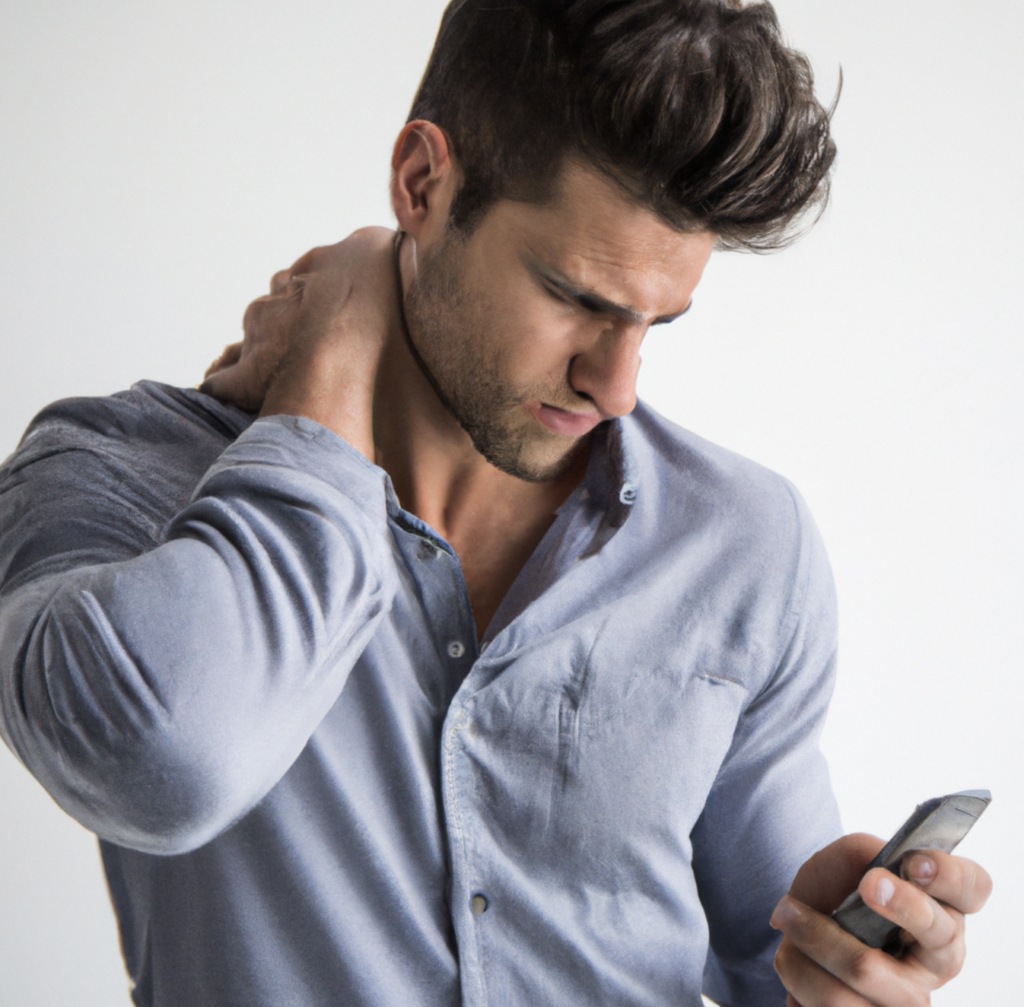
"You have heard it a thousand times by now probably – but even today one of the most common pieces of advice I give patients with neck pain and headache is to change their cell phone use."

Many of my patients have a hypermobile physiology, repetitive stress jobs, or were in sports/accidents that can injure the neck, meaning the deeper tissues of the neck, such as the spinal ligaments, experienced strain. The job of these ligaments is to hold your spinal column stiff and limit defined movements. This means that when ligaments are injured a level of instability can occur at the spinal level.

So…what does this have to do with headaches, neck pain and phone use?

There are types of headaches called cervicogenic headaches.

These can involve pain in one side of neck and one side of head (and sometimes even the arm on the same side), while another variety causes pain on both sides of neck and head and is associated with activities like hairdressing, carpentry and driving.[i]

Often there is not a single exact thing that is pinpointed as the cause of this type of headache, but is often felt to come from either a variety of sites (joints, discs, etc.) or considered a final common pathway for neck disorders.[ii],[iii]

While a complete discussion of ligaments and instability is outside the scope of this post, an important piece to understand is that ligaments are only a part of part of the stabilizing system of the spine, and that muscles are another component of spinal stability.[iv] Stronger musculature can make up for some of the stiffness lost when spinal ligaments are strained and too loose.

Back to cell phones. 

When we look down at our phones for prolonged times (obviously intending to educate ourselves but instead ending up scrolling Instagram, let’s be honest) we are often at a 45-degree neck angle. That whole time, the neck is relying upon a combination of ligament stiffness, disc strength, and muscular strength to keep things safe and stable.

Safe and stiff is important, this is what avoids strain of tissues, irritations to joints and never and so on. Neck regional stiffness has recently been tested at this 45-degree angle, and stiffness at the upper, middle and cervical regions were all found to be lowered.[v]

So there you are, minding your own business while liking various posts, and relying (at least partly) on your neck muscles to keep you safe and stable. The neck of course has other plans; it is obviously bored and wants to save energy for when you’re back moving around. So then what kicks in is an affect called the cervical flexion relaxation response (FRP) – by having your neck flexed (looking down) for a period of time, the muscles begin to relax and shift the load of your head to deeper tissues like ligaments and discs. People with neck pain have been shown to have a different FRP than people without neck pain.[vi]

What this all adds up to (45-degree bend + lowered stiffness + FRP) is that when we use our phones, we often hold our necks in a forward and downward position, which can put extra strain on the cervical spine and its supporting muscles and ligaments, but then the muscles relax because of FRP and more load is put on the ligaments.

To prevent these issues:

• practice good posture when using electronic devices

• take frequent breaks and stretches

• limit screen time

Strengthening of the neck intrinsic muscles can be helpful, though this should be done with the guidance of a physical therapist – there are many devices I see marketed for neck strengthening that have ended up causing pain flares in many people.

Prolotherapy, PRP (platelet-rich plasma) and other cellular treatments delivered to the ligaments can treat cervical instability and its resulting pain conditions, often in cases where physical therapy or medications do not provide sufficient relief.

A physician typically administers these treatments directly into the affected ligaments or other tissues of the cervical spine, using a guided technique such as fluoroscopy or ultrasound to ensure safety and accurate placement.

The best solution is to prevent the issue from happening – so be sure to emphasize proper ergonomics for your neck, whether you live on your phone, laptop or tablet.

Dr. Woznica is ready to create a custom prolotherapy treatment plan for you that is tailored to your specific injury and lifestyle. He will discuss which prolotherapy treatment is best for your injury, how many sessions he believes you will need, estimated costs, and answers any questions you may have prior to your first treatment. 

"Our goal is to provide fast, minimally invasive pain relief to get you back to doing the things you love."

Have a question about Prolotherapy? Ask Dr. Woznica! Email us your questions at ContactUs@WozWellness.com or text or call anytime at 844.GO.PROLO / 844-467-7656.

Sources: 

[i] Page P. Cervicogenic headaches: an evidence-led approach to clinical management. Int J Sports Phys Ther. 2011 Sep;6(3):254-66. PMID: 22034615; PMCID: PMC3201065..

[ii]  Bogduk N., Cervicogenic headache: anatomic basis and pathophysiologic mechanisms. Curr Pain Headache Rep, 2001. 5(4): p. 382–6

[iii] Sjaastad O.Fredriksen T.A.Pfaffenrath V., Cervicogenic headache: diagnostic criteria. The Cervicogenic Headache International Study Group. Headache, 1998. 38(6): p. 442–5

[iv] Panjabi MM. The stabilizing system of the spine. Part II. Neutral zone and instability hypothesis. J Spinal Disord. 1992 Dec;5(4):390-6; discussion 397. doi: 10.1097/00002517-199212000-00002. PMID: 1490035.

[v] Hofstetter L, Häusler M, Schweinhardt P, Heggli U, Bron D and Swanenburg J (2021) Influence of Axial Load and a 45-Degree Flexion Head Position on Cervical Spinal Stiffness in Healthy Young Adults. Front. Physiol. 12:786625. doi: 10.3389/fphys.2021.786625

[vi] Murphy, Bernadette A. DC, PhD*; Marshall, Paul W. PhD†; Taylor, Heidi Haavik BSc (Chiro), PhD‡. The Cervical Flexion-Relaxation Ratio: Reproducibility and Comparison Between Chronic Neck Pain Patients and Controls. Spine 35(24):p 2103-2108, November 15, 2010. | DOI: 10.1097/BRS.0b013e3181cbc7d8

dr. david woznica, MD, MS

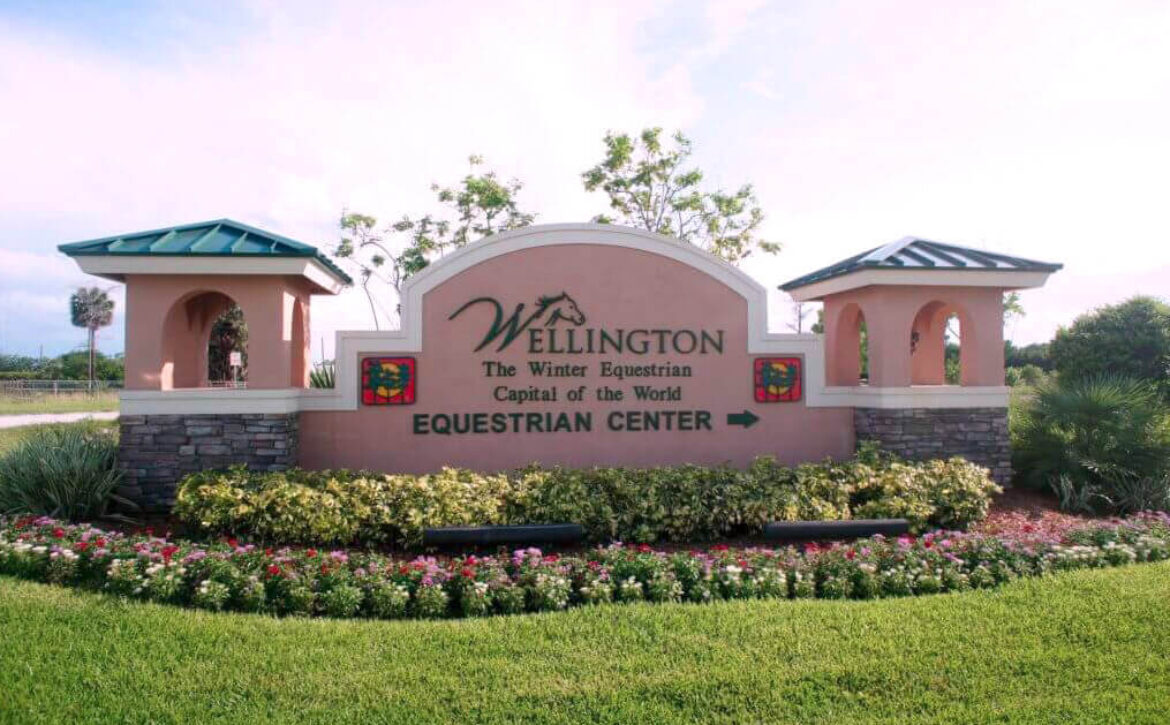
Dr. Woznica brings Prolotherapy to Wellington, Palm Beach Florida!

Woz Wellness now treating patients in Wellington, Palm Beach Florida

We are excited to announce that Dr. David Woznica, MD, MS is now providing prolotherapy, PRP, and stem cell treatments to patients in Wellington and West Palm Beach, Florida!

NP Family Practice is partnering with Woz Wellness to bring regenerative medicine services to the Wellington & South Florida communities.

NP Family Practice is a full-service, primary care facility, with an interdisciplinary team of highly skilled Board Certified Nurse Practitioners and Certified Nurse Midwives. Their holistic view of medicine is a great fit for including Prolotherapy, PRP (Platelet-Rich Plasma,) and stem cell injection therapy.

The office is located at 1397 Medical Park Blvd Suite Suite #140, Wellington, FL 33414. It’s conveniently located near the Wellington Regional Medical Center. It is 20 minutes away from Palm Beach International Airport (PBI) and under an hour from Fort Lauderdale Airport (FLL).

To book your appointment please contact us by filling out the health history form here or call us at 844-GO-PROLO (844-467-7656)

dr. david woznica, MD, MS

Prolotherapy 101

Prolotherapy, or proliferation therapy, is a minimally-invasive injection-based treatment that is used to treat joint and ligament pain. 

Prolotherapy treatments are a faster, less invasive, and less costly treatment option than surgery for many common musculoskeletal issues of the muscles, nerves, tendons, joints, cartilage, and spinal joints.

There are three primary types of prolotherapy injections: 

1) dextrose/sugar water shots 
2) PRP shots (platelet rich plasma)
3) bone marrow / fat stem cell injections

The most common prolotherapy procedures are done with dextrose and PRP. PRP is popular because it uses the healing  cells from your own blood.

how does a prp treatment work?

platelet rich plasma blood draw
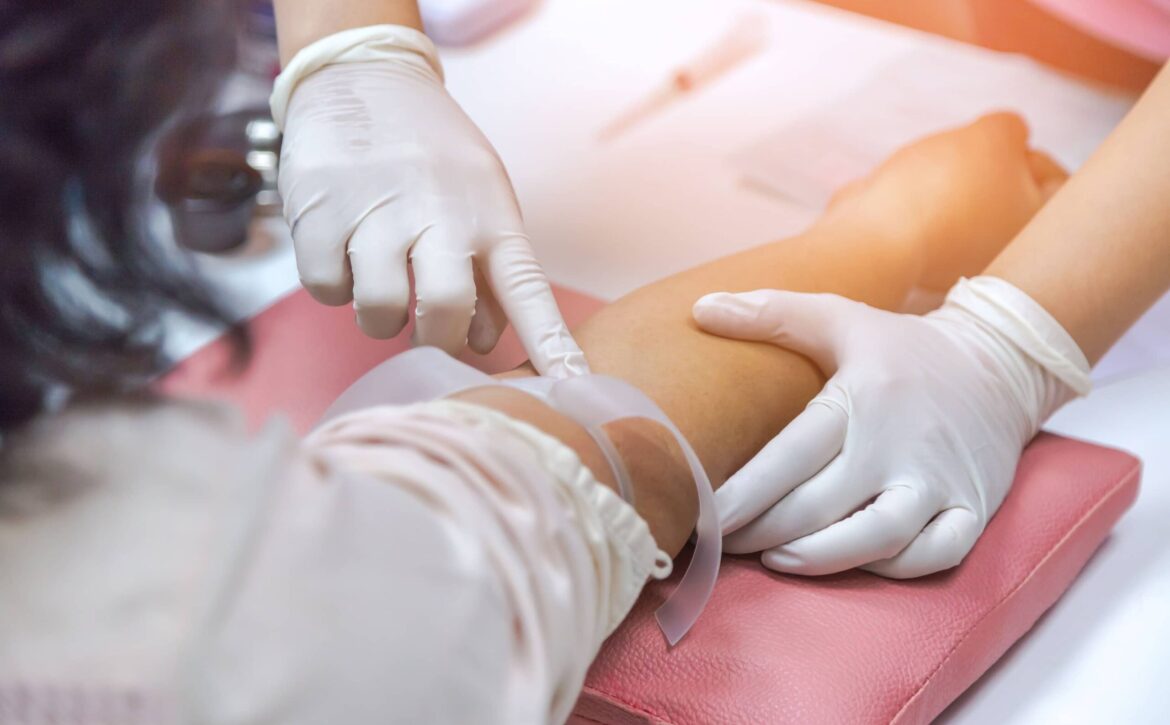
  1. Blood Draw: A Woz Wellness nurse will take a blood sample with a simple blood draw. This blood is spun in a centrifuge and the PRP is extracted. Only this part of your blood sample is then injected back into the affected area. 
  2. Prepare the Area: Dr. Woznica will thoroughly examine and prepare the treatment area. 
  3. PRP Injections: Dr. Woznica injects the treatment area with the PRP. He may use ultrasound to target specific regions.  
  4. Wrap it Up: Dr. Woznica will bandage the area and send you home to heal with a treatment plan specific to your healing journey.  

what happens after a treatment?

Most patients report pressure and discomfort in the injection site for two to seven days afterwards. This discomfort is expected and is part of the healing process. 

Multiple sessions are needed to fully heal. It usually takes anywhere from 3-5 treatments to be fully healed. At each treatment Dr. Woznica assess the pain to see how you are improving. He may also look at the area under ultrasound to analyze the healing process in order to determine if more treatments are needed or if you are ready to be discharged.

Our goal at Woz Wellness is to help your body heal itself as quickly and as safely as possible.

Have a question about Prolotherapy? Ask Dr. Dave! Email us your questions at ContactUs@WozWellness.com or text or call anytime at 844-467-7656.

dr. david woznica, MD, MS

Will Prolotherapy Help Me?

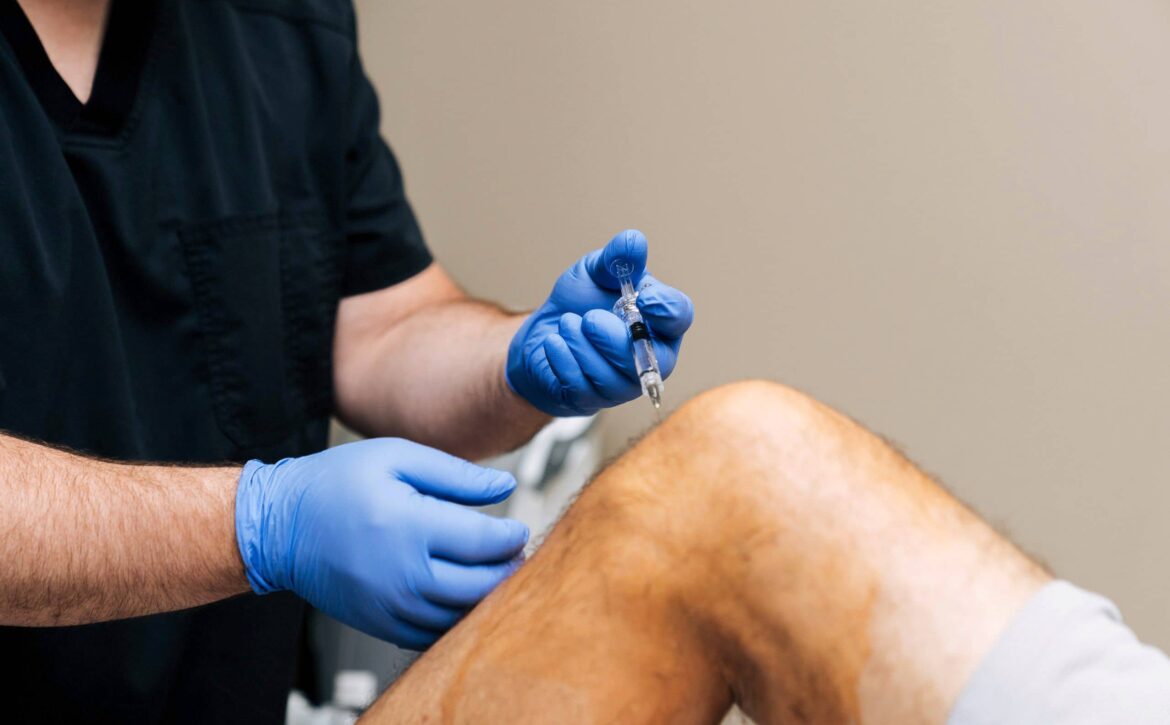
prolotherapy on knee

One of the most common questions we hear is “Will prolotherapy help me?”

If you can answer yes to most of the following questions, then you may be a great candidate for prolotherapy!

• Do you have pain that is activity triggered?

• Are you able to move the joint at least partially on your own or with help?

• Do you minimize tobacco use and have a fairly healthy diet?

The best candidates for prolotherapy are people who minimize tobacco use, have a healthy diet, and have good range of motion in the areas that have pain. Also, patients who have pain that is activity-triggered instead of constant have the fastest healing response. The sooner you begin treatment after having an injury the sooner your body will heal. 

Prolotherapy is an extremely safe treatment option when done by an experienced practitioner. This makes prolotherapy an ideal treatment for anyone experiencing musculoskeletal pain regardless of age, sex, etc. 

Fun Fact: Patients of all ages and demographics are treated by Dr. Dave at Woz Wellness. Patients travel internationally to be treated at our offices in Chicago, Illinois and Stuart, Florida. 

Another question we get asked frequently is “What type of prolotherapy is best for me?” The answer to this question depends on the severity of the injury and certain lifestyle factors such as how much time you can take to recover from a prolotherapy treatment. 

For example, if an athlete has an injury in the middle of their sports season and cannot take more than a few days to recover, a non-cellular prolotherapy treatment may be recommended at that time. However, if this same injury were reported in another patient who can take more time to recover, a more advanced treatment plan may be recommended such as PRP or bone marrow. 

Dr. Dave is ready to create a custom prolotherapy treatment plan for you that is tailored to your specific injury and lifestyle. He will discuss which prolotherapy treatment is best for your injury, how many sessions he believes you will need, estimated costs, and answers any questions you may have prior to your first treatment. 

Our goal is to provide fast, minimally invasive pain relief to get you back to doing the things you love.

Have a question about Prolotherapy? Ask Dr. Dave! Email us your questions at ContactUs@WozWellness.com or text or call anytime at 844-467-7656. 

dr. david woznica, MD, MS

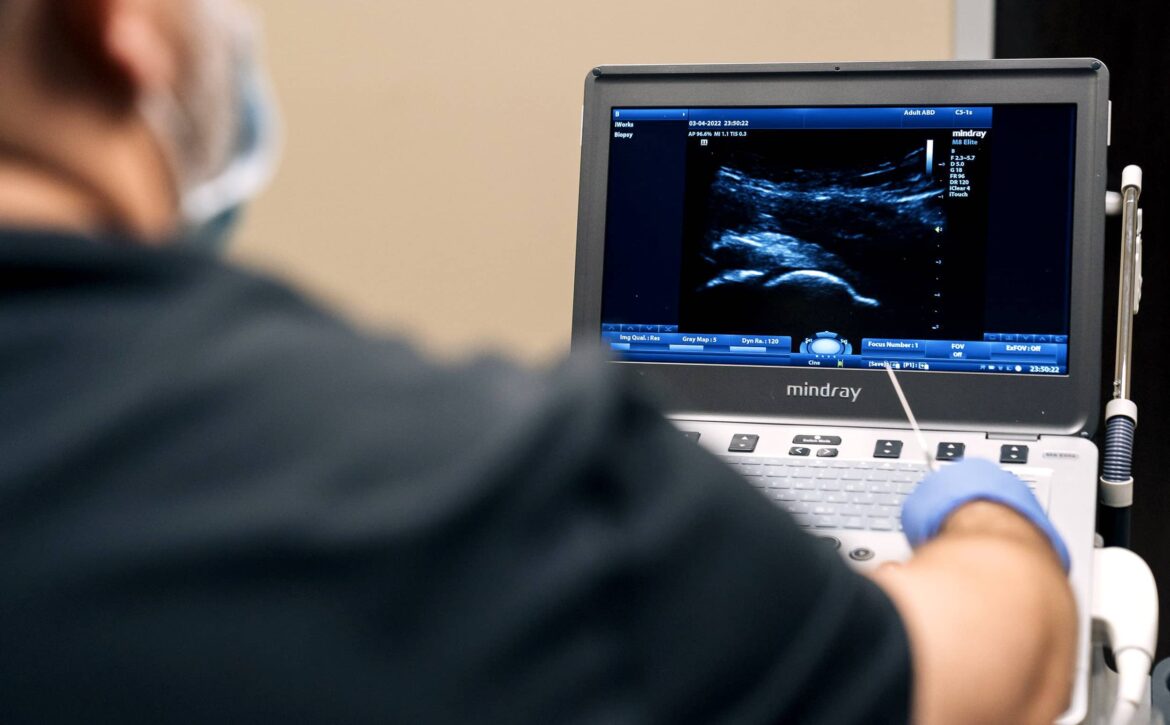
How is Ultrasound Used During Prolotherapy?

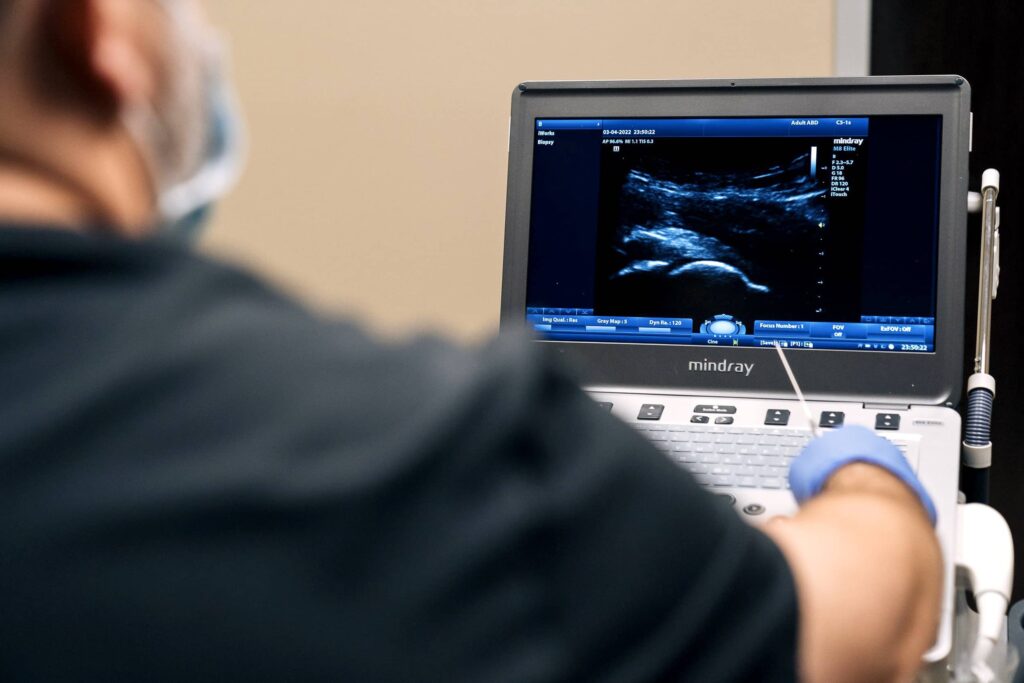
ultrasound machine for prolotherapy

Ultrasound is one of my favorite tools to use before, during, and after prolotherapy treatments.

Before a prolotherapy, PRP, or stem cell treatment begins, I may use the ultrasound machine to identify injured tissues and overly loose joints, or lax ligaments. This helps me to create the best treatment plan based on your specific injury. For example, some patients only experience pain with specific movements. The ultrasound can be used to dynamically evaluate a patient while moving to identify the problem area. This ability to evaluate a patient while moving is a vast benefit over MRI which is typically done in a single position. Like an MRI, there is no radiation associated with ultrasound. 

I may also use ultrasound in the initial evaluation of a joint to look for abnormal swelling, spurring, and tears of tissue. One of the best features of the ultrasound is the ability to target a test dose of a numbing agent into a specific spot, to identify if that spot is causing most of your pain. 

The ultrasound machine is also one of the greatest tools I use actively during prolotherapy procedures. I often use it to perform safe and effective prolotherapy treatments in areas that are more complicated or complex such as the spine, the hip, and around nerves. 

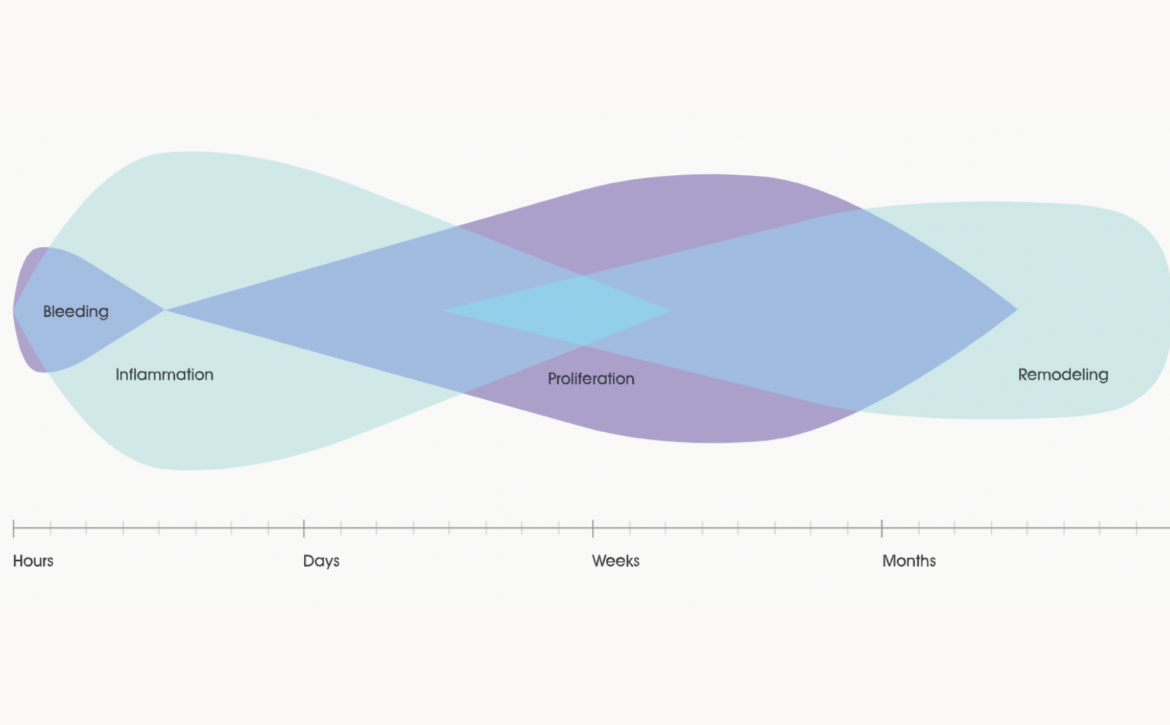
After we give the area some time to proliferate and heal, I may then continue to use the ultrasound machine to see how the areas are regenerating and healing. 

Click here to learn more about how Prolotherapy healing works! 

Using the ultrasound after treatments are completed to review progress allows us to adapt the healing plan for the fastest minimally invasive pain relief possible.

Have a question about Prolotherapy? Ask Dr. Dave! Email us your questions at ContactUs@WozWellness.com or text or call anytime at 844-467-7656.

dr. david woznica, MD, MS

How Long Does It Take for Prolotherapy to Work?

One question we get asked frequently is,“How long will it take for prolotherapy to work?”

Dr. Dave explains why the answer to this question varies from person to person and from different treatment areas.

Someone suffering from a more advanced stage of joint instability will likely require more treatments than someone who has a mild case. 

In general, it takes three to six treatment sessions to become pain free. Each session may take anywhere from 30 minutes to two hours depending on the treatment area and how many areas are being treated.

Have a question about Prolotherapy? Ask Dr. Dave! Email us your questions at ContactUs@WozWellness.com or text or call anytime at 844-467-7656.

dr. david woznica, MD, MS

Cortisone versus Prolotherapy

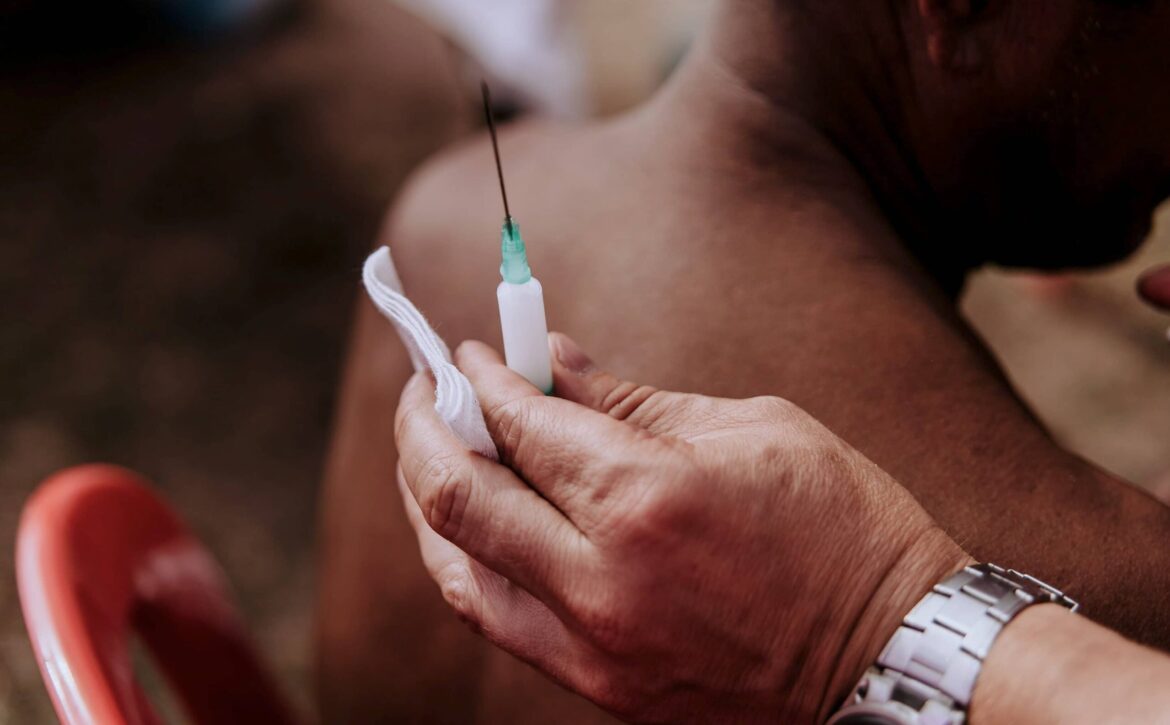
prolotherapy injection needle

Cortisone is a band-aid

Did you know? Cortisone is a natural hormone found inside every human body. 

Cortisone allows your body to suppress the healing process in times of stress. This makes you feel better temporarily. 

It wasn’t until the late 1930’s that Cortisone was isolated, and a synthetic version was created in 1948. Since then, the hormone has been modified to become more potent and is a common injection treatment for pain. 

Today, Cortisone injections are one of the most popular forms of pain relief. 

When should you use Cortisone injections?

Cortisone injections are a good option for… 

Temporary relief of injuries that will likely heal on their own 

Masking pain for a specific event or a short period in time

Cortisone injections are NOT ideal for… 

Long term pain management 

Healing or improving the quality of the tissue or injury 

What are the risks of Cortisone shots?

Cortisone can be an effective treatment to temporarily mask pain, however it will not change or improve the quality of the injured tissue. And there are some risks to Cortisone injections such as:

• Tissue deterioration at the site of injection 

Can weaken your immune system

Can worsen diabetes & blood sugar control temporarily 

continuing activities while pain is masked by the Cortisone shot may result in further damaging the area

Before you use Cortisone shots talk to your doctor about your long-term treatment goals.

Have a question about Prolotherapy? Ask Dr. Dave! Email us your questions at ContactUs@WozWellness.com or text or call anytime at 844-467-7656.

dr. david woznica, MD, MS